Archives
- 2026-06
- 2026-05
- 2026-04
- 2026-03
- 2026-02
- 2026-01
- 2025-12
- 2025-11
- 2025-10
- 2025-09
- 2025-03
- 2025-02
- 2025-01
- 2024-12
- 2024-11
- 2024-10
- 2024-09
- 2024-08
- 2024-07
- 2024-06
- 2024-05
- 2024-04
- 2024-03
- 2024-02
- 2024-01
- 2023-12
- 2023-11
- 2023-10
- 2023-09
- 2023-08
- 2023-07
- 2023-06
- 2023-05
- 2023-04
- 2023-03
- 2023-02
- 2023-01
- 2022-12
- 2022-11
- 2022-10
- 2022-09
- 2022-08
- 2022-07
- 2022-06
- 2022-05
- 2022-04
- 2022-03
- 2022-02
- 2022-01
- 2021-12
- 2021-11
- 2021-10
- 2021-09
- 2021-08
- 2021-07
- 2021-06
- 2021-05
- 2021-04
- 2021-03
- 2021-02
- 2021-01
- 2020-12
- 2020-11
- 2020-10
- 2020-09
- 2020-08
- 2020-07
- 2020-06
- 2020-05
- 2020-04
- 2020-03
- 2020-02
- 2020-01
- 2019-12
- 2019-11
- 2019-10
- 2019-09
- 2019-08
- 2019-07
- 2019-06
- 2019-05
- 2019-04
- 2018-11
- 2018-10
- 2018-07
-
Several models show the MAPK
2021-04-12
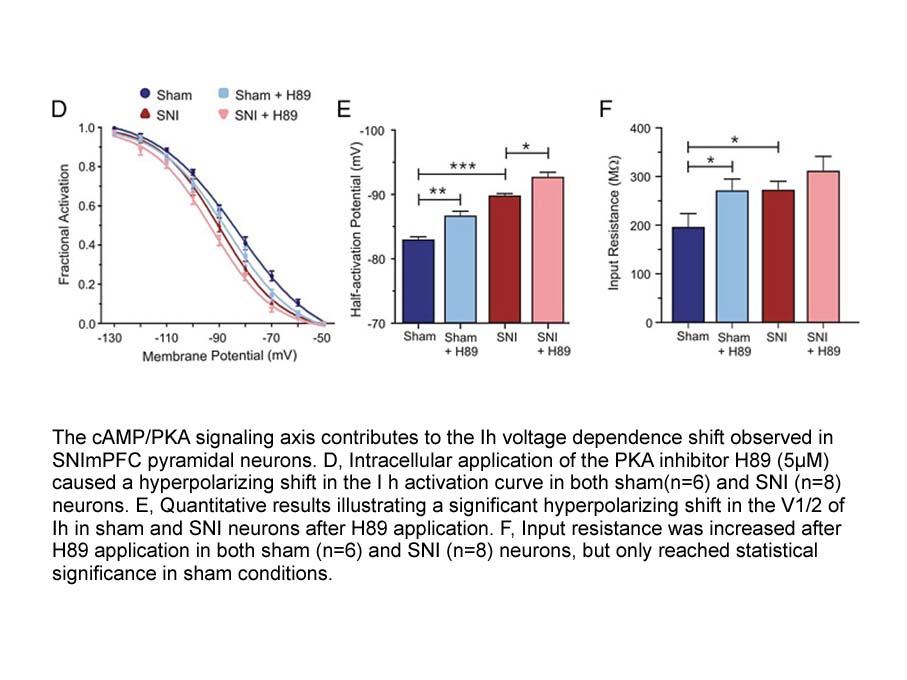
Several models show the MAPK pathway involving p38 as the g 15 mg pathway in pro-inflammatory responses, with the ERK pathway involvement primarily devoted to cell growth and differentiation events (Lai et al., 2001, Widmann et al., 1999). The results of the current study would contradict those mod
-
A recent report has shown that C elegans homozygous
2021-04-12
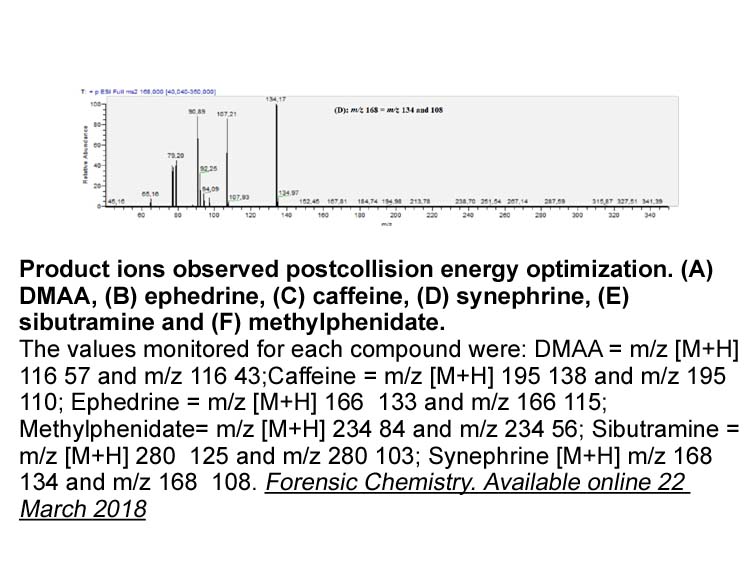
A recent report has shown that C. elegans homozygous for a point mutation within the HORMA domain of HTP-1 (M127K), which disrupts its association with chromosome axes, displayed an extended zone of PLK-2 localization to PCs in response to asynapsis (Silva et al., 2014), which, as we show here, is a
-
As expected the nortestosterone derived progestins
2021-04-10
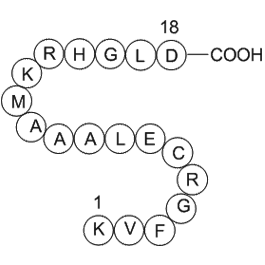
As expected, the 19-nortestosterone-derived progestins tested were moderate agonists of hAR (C), with EC50s ranging from 2 to 10nM, however all were less potent than the endogenous ligand DHT by at least a factor of 6, with relative potencies ranging from 0.0301 to 0.164. This is in agreement with p
-
Although the mechanisms underlying the EP mediated increase
2021-04-10
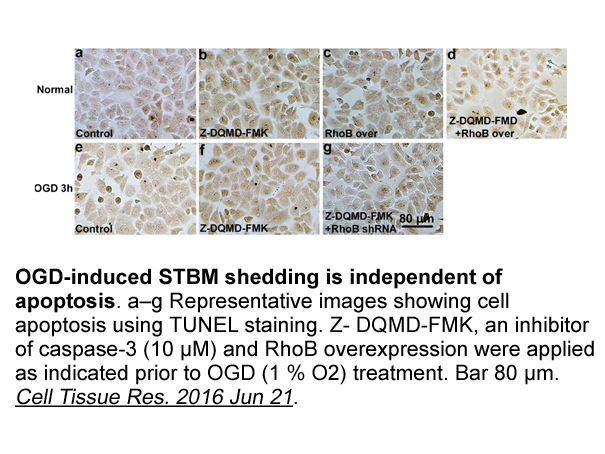
Although the mechanisms underlying the EP4-mediated increase in the frequency of mEPSCs via PGE2 remain unclear, mechanisms similar to those driven by EP2 may be involved because activation of both these receptor subtypes increases the intracellular concentration of cAMP (Nishigaki et al., 1995, Sug
-
It is well known that acrolein a metabolite
2021-04-10
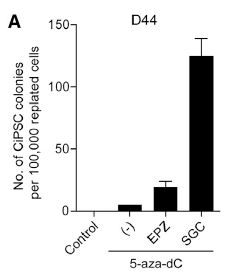
It is well known that acrolein, a metabolite of cyclophosphamide, is responsible for the cyclophosphamide-induced cystitis, and that acrolein is capable of activating TRPA1 channels expressed in the capsaicin-sensitive primary afferents [2], [11]. In this context, it is likely that the early phase o
-
Additionally in the presented study both
2021-04-10
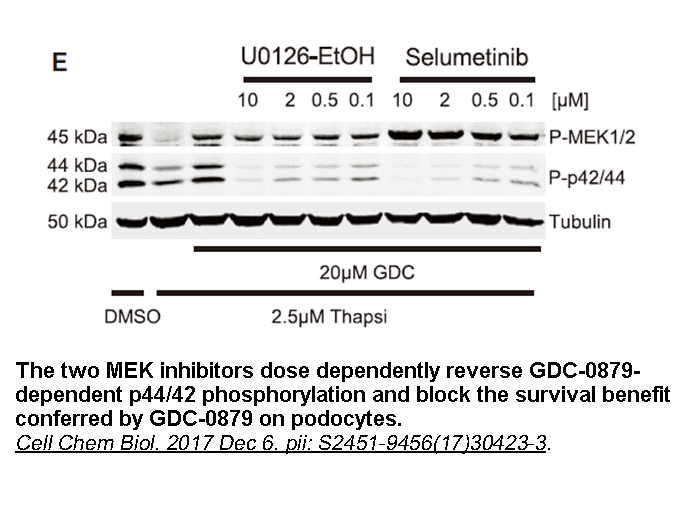
Additionally, in the presented study both the NSE values and MFI levels of the CD45−CD34 + CXCR7+ Pamidronate Disodium correlated positively with the inflammatory parameter – CRP. CXCR7 expression has been found to be enhanced during pathological processes such as inflammation and neoplasms (Jansse
-
br Acknowledgments This work was supported by Grants from th
2021-04-10
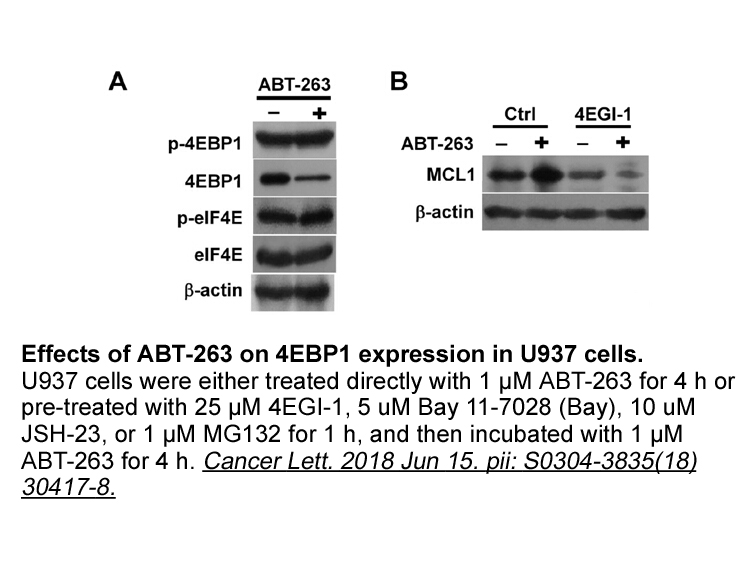
Acknowledgments This work was supported by Grants from the National Research Foundation (2010-0000782) and the National Center for GM Crops (PJ008152) of the Next Generation BioGreen 21 Program funded by the Rural Development Administration, Republic of Korea, to W.T.K. Introduction Ubiquityl
-
Cyclin D inhibits the transcriptional activity of the transc
2021-04-10

Cyclin D1 inhibits the transcriptional activity of the transcription factors myogenin and MEF2 [39,40]. In addition, myogenin activates MEF2 expression, which feeds back to amplify the myogenin promoter [38]. In this study, DGKδ suppression, in addition to the increase of cyclin D1, inhibited myogen
-
Extracellular uridine can be transported across
2021-04-10
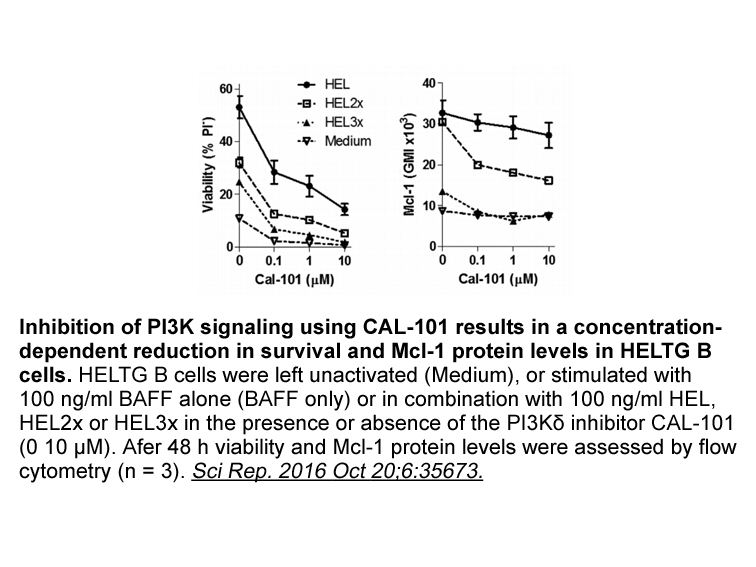
Extracellular uridine can be transported across the cell membrane to enter the nucleotide salvage pathway. A colon cancer cell line supplemented with uridine was capable of growing normally in the presence of 1 μM brequinar (Peters et al., 1992). The supplemented uridine may be transported into the
-
We further evaluated the functional relation between promote
2021-04-10
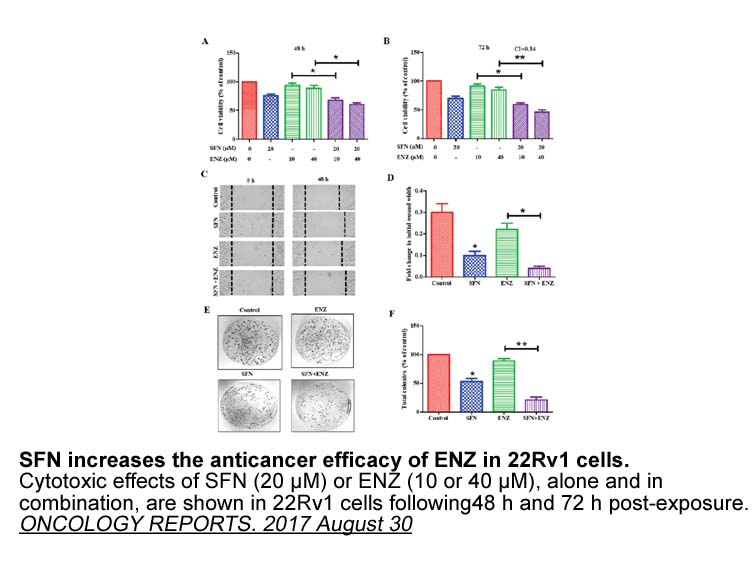
We further evaluated the functional relation between promoter regulation of the tumor suppressor genes and in fresh frozen, microdissected tumor tissue from 55 patient with clear cell renal carcinoma. In addition, normal-appearing tissue from the same patient taken distal of the tumor and later hist
-
Chlorhexidine digluconate CIC mediated chemoresistance is dr
2021-04-10
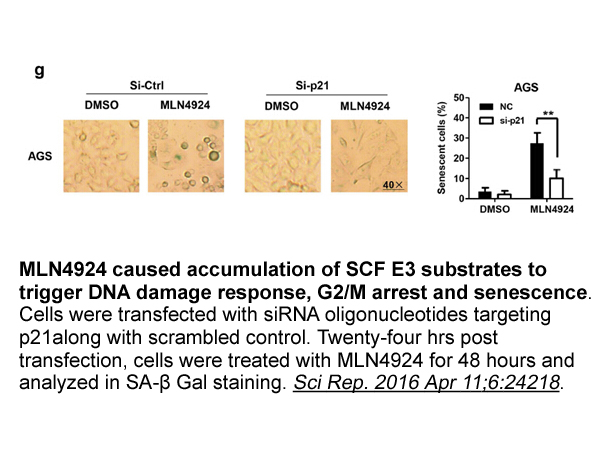
CIC-mediated chemoresistance is driven by several factors. In our quest to learn about these, we examined the crucial mediators identified earlier in the regulation of CSC survival and chemoresistance, such as BCL2, cleaved Caspase-3, COX-2, and macrophages. Interestingly, we observed a significantl
-
br Use of CDK inhibitors in CLL today There
2021-04-10
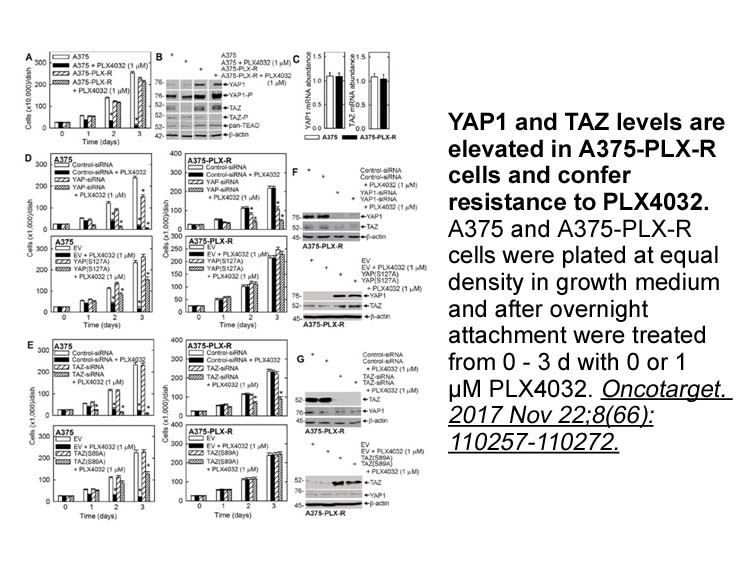
Use of CDK inhibitors in CLL today There has been explosive development of novel therapeutics for CLL in the last decade and a massive transformation of practice is underway [75]. Most of this development and excitement revolves around B-cell receptor (BCR) signaling inhibitors: the Bruton tyrosi
-
A widely accepted mechanism to differentiate
2021-04-09
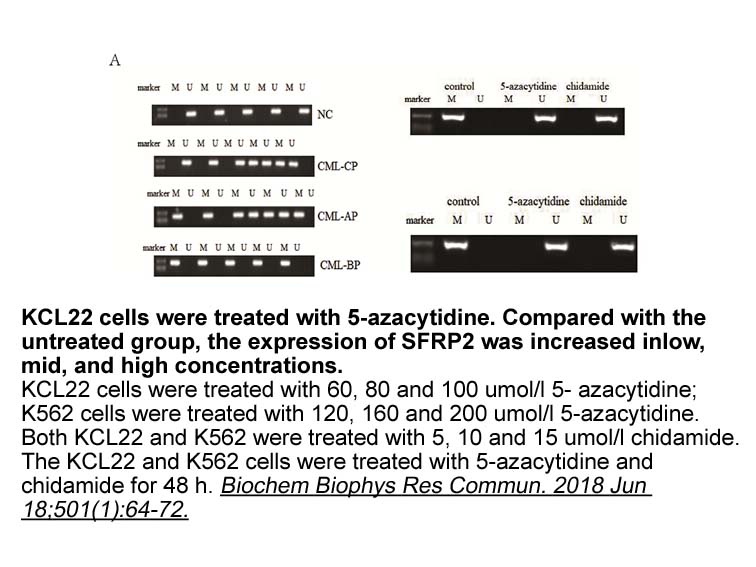
A widely accepted mechanism to differentiate hESCs into cardiomyocytes is through perturbation of the canonical Wnt/β-catenin pathway. Initial Wnt activation is required to form the notch pathway [3]. Thereafter, it is believed that inhibition of the canonical Wnt/β-catenin pathway is pivotal for c
-
br Acknowledgements This work was supported by National Natu
2021-04-09
Acknowledgements This work was supported by National Natural Science Foundation of China (31701807, 31572000) and Jiangsu Province Science Foundation for Youths (BK20170491). Introduction Two Cl− channels of the ClC family, ClC-K1 and ClC-K2 (or their human orthologs ClC-Ka and ClC-Kb, respec
-
br Clinical studies br Practical implications for young
2021-04-09

Clinical studies Practical implications for young women Conclusion Research on the oncogenic mechanism of hormones has advanced dramatically in the latter years. The finding that progestogens are more powerful determinants of risk than estrogens in breast cancer has been added to advances i
16154 records 681/1077 page Previous Next First page 上5页 681682683684685 下5页 Last page