Archives
- 2026-06
- 2026-05
- 2026-04
- 2026-03
- 2026-02
- 2026-01
- 2025-12
- 2025-11
- 2025-10
- 2025-09
- 2025-03
- 2025-02
- 2025-01
- 2024-12
- 2024-11
- 2024-10
- 2024-09
- 2024-08
- 2024-07
- 2024-06
- 2024-05
- 2024-04
- 2024-03
- 2024-02
- 2024-01
- 2023-12
- 2023-11
- 2023-10
- 2023-09
- 2023-08
- 2023-07
- 2023-06
- 2023-05
- 2023-04
- 2023-03
- 2023-02
- 2023-01
- 2022-12
- 2022-11
- 2022-10
- 2022-09
- 2022-08
- 2022-07
- 2022-06
- 2022-05
- 2022-04
- 2022-03
- 2022-02
- 2022-01
- 2021-12
- 2021-11
- 2021-10
- 2021-09
- 2021-08
- 2021-07
- 2021-06
- 2021-05
- 2021-04
- 2021-03
- 2021-02
- 2021-01
- 2020-12
- 2020-11
- 2020-10
- 2020-09
- 2020-08
- 2020-07
- 2020-06
- 2020-05
- 2020-04
- 2020-03
- 2020-02
- 2020-01
- 2019-12
- 2019-11
- 2019-10
- 2019-09
- 2019-08
- 2019-07
- 2019-06
- 2019-05
- 2019-04
- 2018-11
- 2018-10
- 2018-07
-
br Ubiquitination and deubiquitination pathways Ubiquitinati
2021-04-28
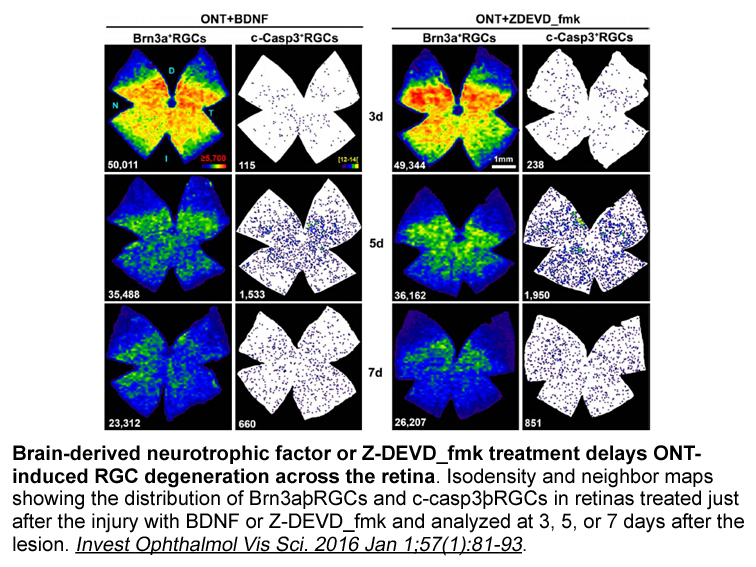
Ubiquitination and deubiquitination pathways Ubiquitination is a part of the post-translational modification (PTM) process. Ubiquitination affects proteins in various ways, but its main functions are to signal protein degradation via the 26S proteasome, modify cellular location of proteins, affec
-
br Discussion The biochemical separation of exonuclease acti
2021-04-28
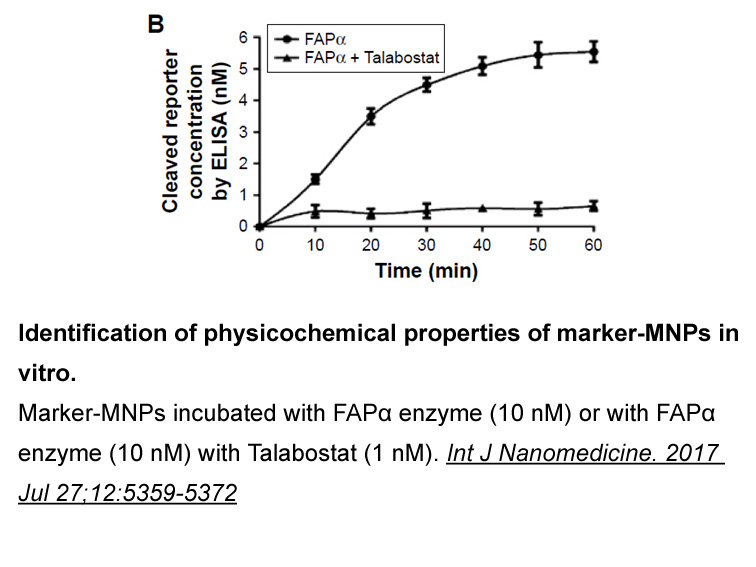
Discussion The biochemical separation of exonuclease activity from DNA-PK dependent endonuclease activity reported in this manuscript is consistent with genetic separation of Artemis enzymatic activity. Mutations in the protein which result in disruption of endonuclease activity have no effect on
-
br UVC induced DNA damage
2021-04-28
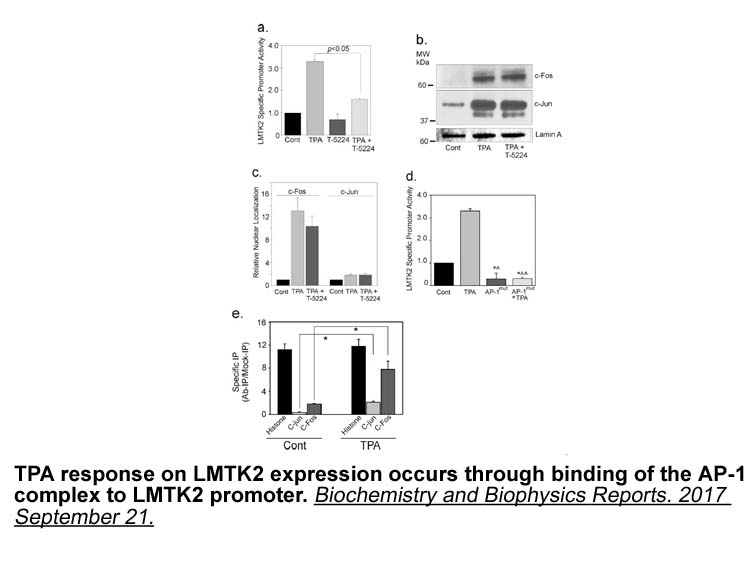
UVC-induced DNA damage: a model to study DNA damage tolerance The UV components of sunlight that reaches the Earth surface are one of the most carcinogenic agents humans are exposed to, and the leading cause of skin cancer [4,12]. UV light causes different types of DNA damage through indirect and
-
LPA is known to regulate the peroxisome proliferator activat
2021-04-28
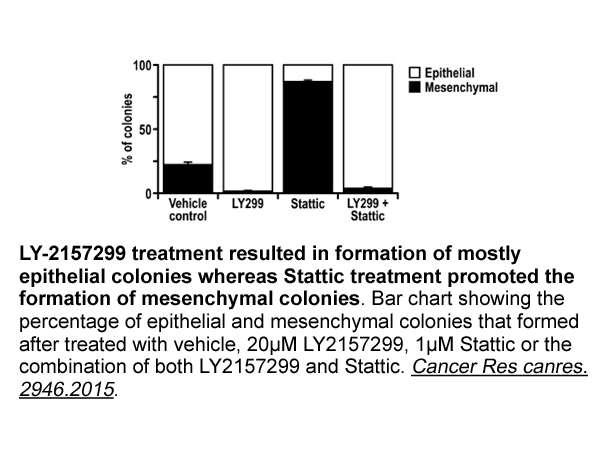
LPA is known to regulate the peroxisome proliferator-activated receptor γ and the reorganization of actin cytoskeleton [58]. However, the physiological functions of LPA in cells are still poorly understood. The simultaneous production of PA with/without 1-LPA or 2-LPA may be important to maximize a
-
On the other hand the death domain is a
2021-04-27
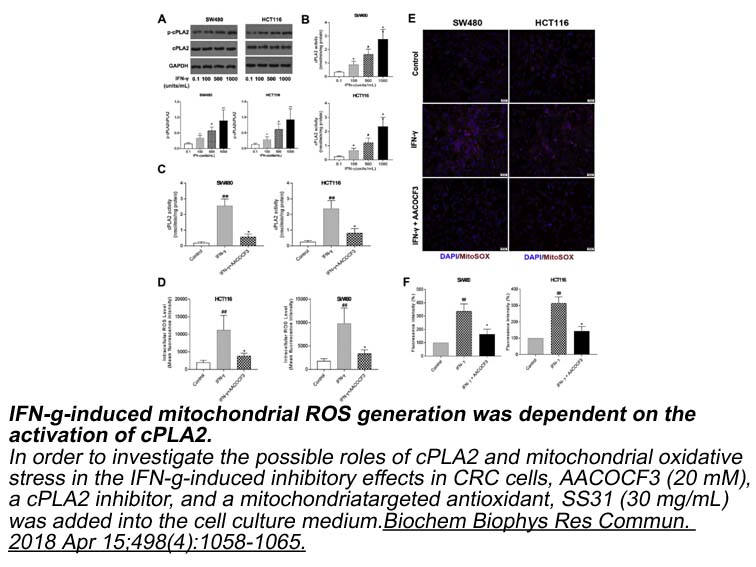
On the other hand, the death domain is a conserved stretch of around 80AA which is commonly found in death receptor proteins, it play a major role in the interaction between other proteins. Also as a platform for the death-inducing signaling complex (DISC) formation (Chaigne-Delalande et al., 2008).
-
The CYP A genes are regulated physiologically by glucocortic
2021-04-27
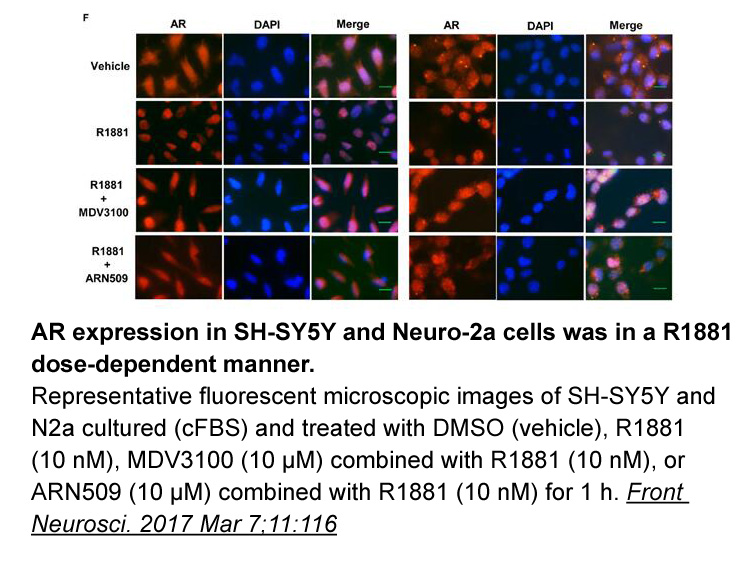
The CYP3A genes are regulated physiologically by glucocorticosteroids, growth hormone, thyroid hormones and cytokines [13, 20, 30]. It has been shown that glucocorticoid receptor (GR), pregnane X receptor (PXR), constitutive androstane receptor (CAR) and vitamin D receptor (VDR) play an important ro
-
Midazolam oral clearance is used for characterization
2021-04-27
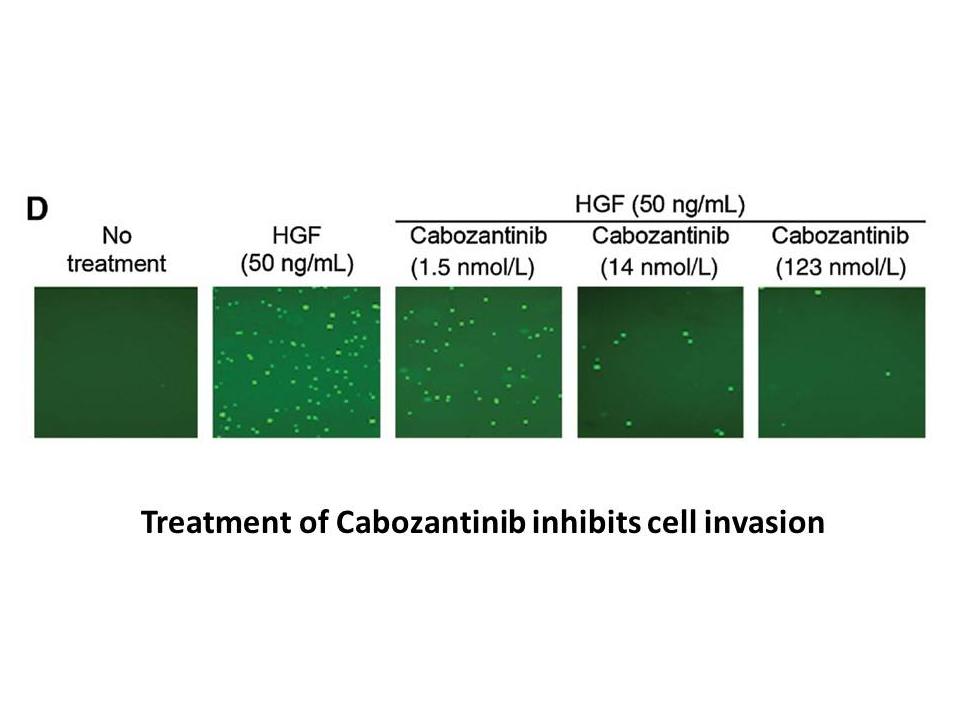
Midazolam oral clearance is used for characterization of both intestinal and hepatic CYP3A activity. However, the identification and subsequent use of metabolic markers of CYP3A activity can eliminate the need for unnecessary administration of probe drugs such as midazolam. Such metabolic markers wo
-
We have previously characterized the leucine rich NESs locat
2021-04-27

We have previously characterized the leucine-rich NESs located within the zinc-binding domains of mucosal high risk HPV16 E7 (76IRTLEDLLM84) and low risk HPV11 E7 (76IRQLQDLLL84) mediating their nuclear export in a CRM1 dependent manner (Knapp et al., 2009, McKee et al., 2013). The zinc-binding doma
-
br Acknowledgements This work was supported by the European
2021-04-27
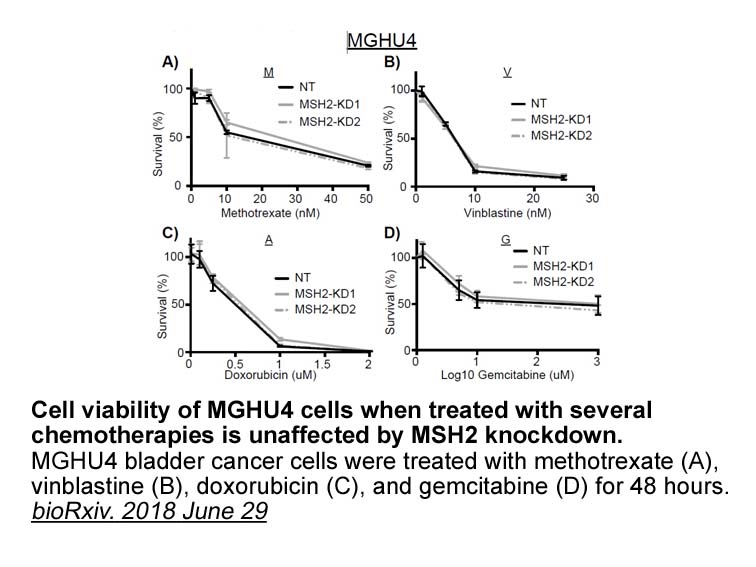
Acknowledgements This work was supported by the European Committee Fifth Framework Project QLK5-1999-01360. We are grateful to Dr. T.T. Hoang for the provision of plasmids pEX18Tc, pPS858 and pFLP2, Prof. B.L. Wanner for providing us with the plasmid pKD4 and related strains, and Prof. P. Soucail
-
Accumulated evidence indicates that apelin plays
2021-04-27
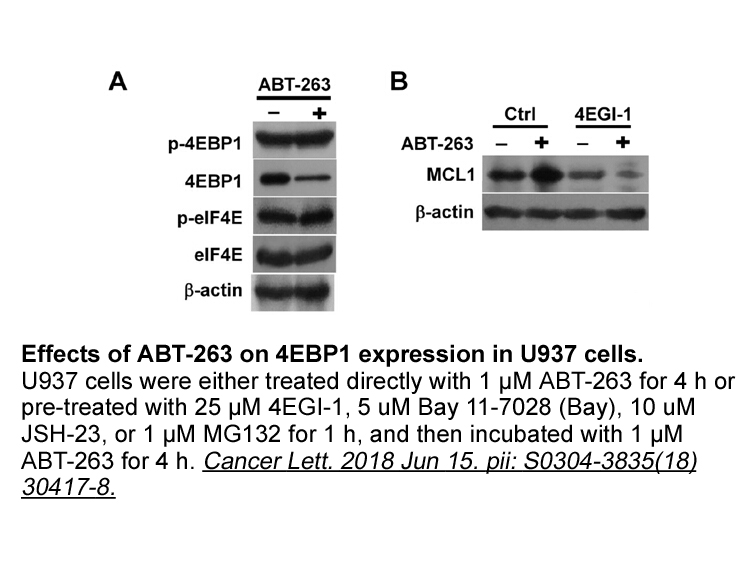
Accumulated evidence indicates that apelin plays a protective role in ischemic stroke, contributing to post-stroke recovery (Yang et al., 2014; Chen et al., 2015; Xin et al., 2015; Yan et al., 2015). Apelin gene (APLN) encodes prepro-apelin with 77 amino acids, while the C-terminal 23 1186 are 100%
-
br Author Contributions br Funding
2021-04-27
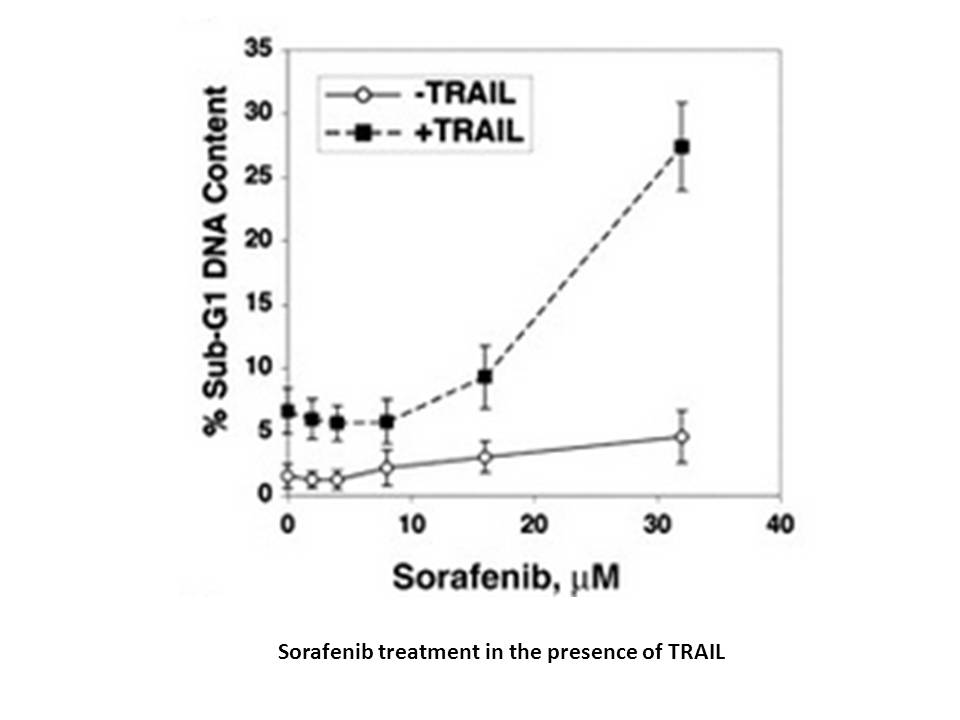
Author Contributions Funding Canadian Institutes of Health Research, operating grant NMD-83126 and the internal funding from the National Research Council Canada, Charlottetown, PE, Canada. Disclosure Statement Acknowledgements Introduction Cholesterol is an essential structural comp
-
The highest concentrations from several tens
2021-04-27
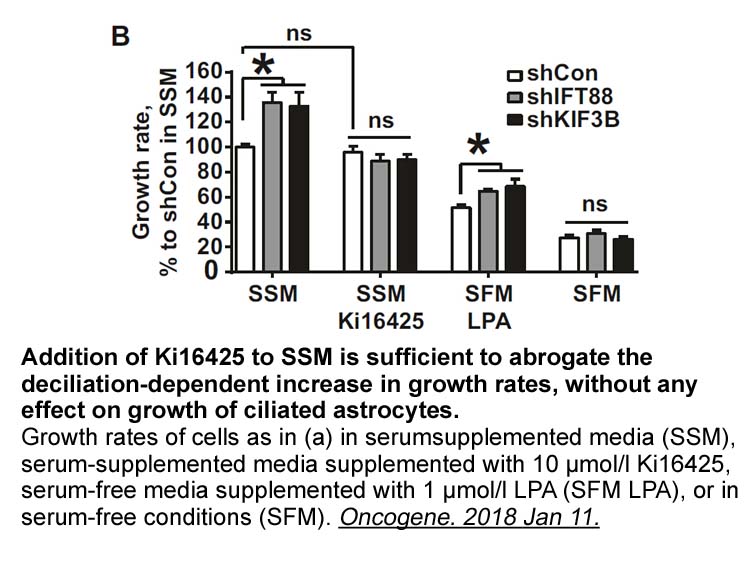
The highest concentrations (from several tens to often hundreds or thousands ng/L) are reported in animal farm flush water, and associated runoffs and lagoons in China and in the U.S. Lower concentrations are reported in WWTP influents and effluents. In WWTP influent waters DRO, LNG, NET and PRG hav
-
br Steroid biosynthesis br Steroid hormone metabolism in
2021-04-27
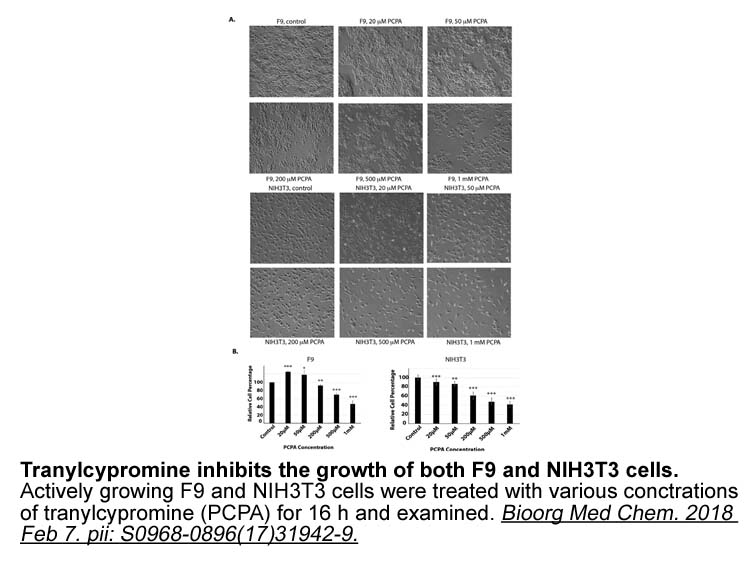
Steroid biosynthesis Steroid hormone metabolism in breast cancer Conclusion Steroid hormones elicit their biological actions primarily by binding to steroid receptors such as the ER, AR, PR and GR. Although classical breast cancer diagnostic panels assess the expression of the ER and PR, as
-
br Introduction Fibroblast growth factors FGF are a family o
2021-04-27
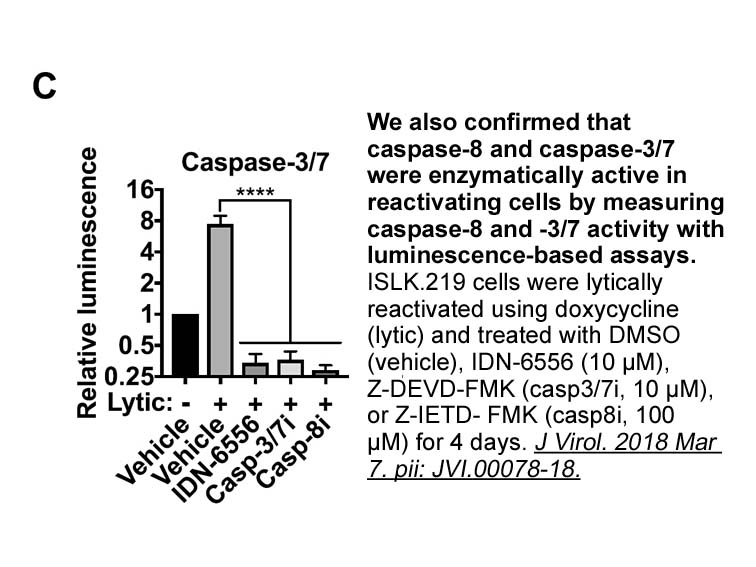
Introduction Fibroblast growth factors (FGF) are a family of 18 secreted ligands that bind to four receptor tyrosine kinase (RTK) FGF receptors (FGFR1–4). The interaction of FGFs with their cognate receptors results in the activation of a number of downstream signaling pathways, including the MAP
-
br Results Patient disease and treatment characteristics
2021-04-27
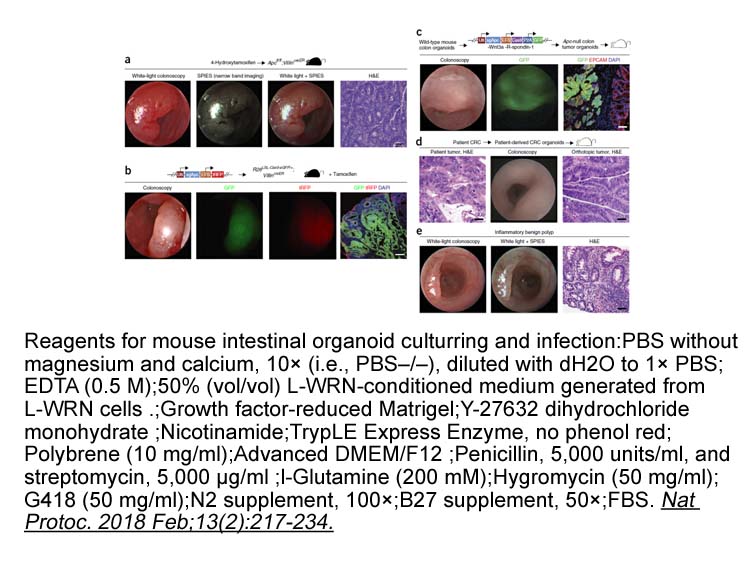
Results Patient, disease, and treatment characteristics of the study cohort are described in Table 1. All patients were stage IIIA with pathologically documented N2 disease per AJCC 7th edition. EP4 nuclear staining 0–1 versus 2+ was significantly associated with overall survival (OS) (44.3 vs.
16155 records 669/1077 page Previous Next First page 上5页 666667668669670 下5页 Last page